


In an ever-evolving business landscape, the ability to devise robust business strategies is paramount. The Business Model Canvas, a strategic management tool, has emerged as a vital framework for designing, visualizing, and analyzing business models. In Malaysia, workshops focusing on this innovative approach provide a profound opportunity for entrepreneurs, business strategists, and managers to refine their strategic acumen. These workshops are not just educational programs; they are transformative experiences that equip participants with the skills needed to navigate complex business environments effectively. Best way to find the Business Model Canvas Training Malaysia.
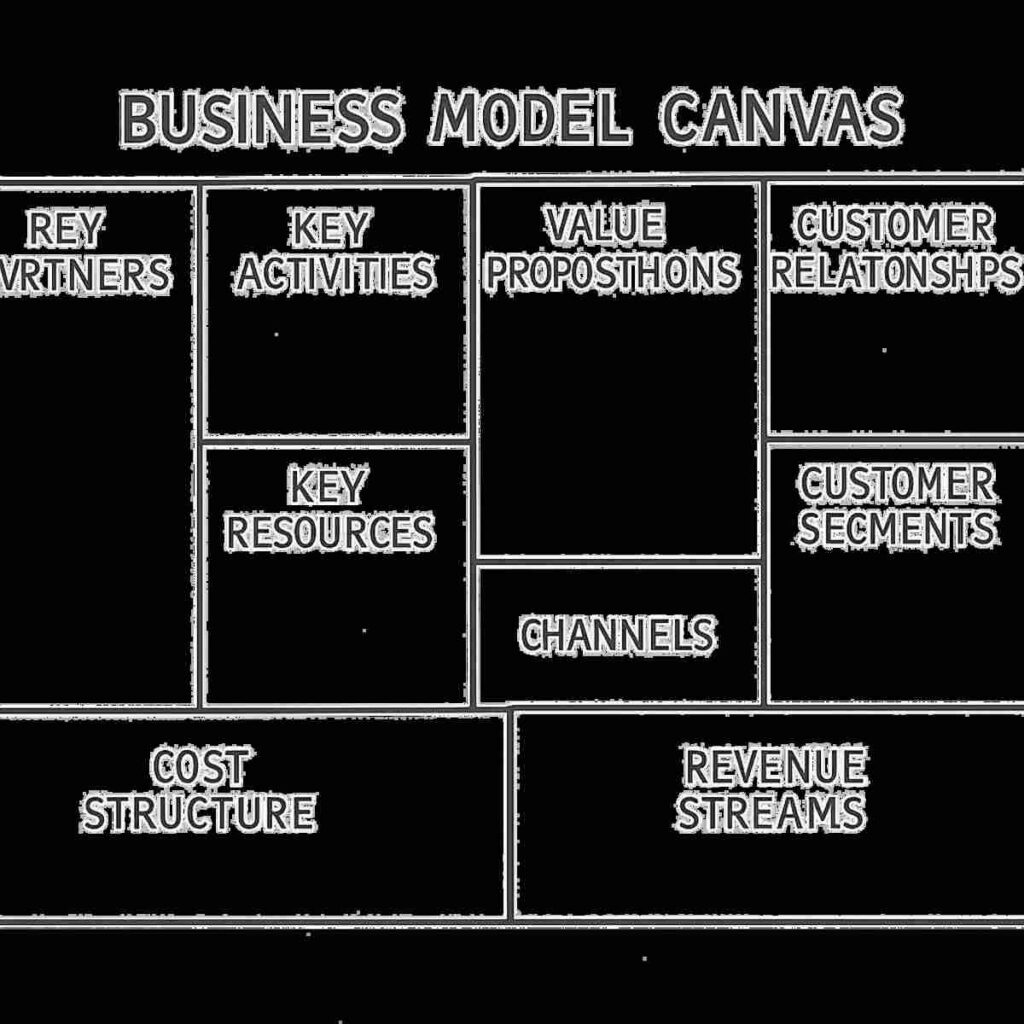
The Business Model Canvas, conceptualized by Alexander Osterwalder, distills the complexity of business strategy into a visual chart with nine essential components. These components encompass critical elements such as Customer Segments, Value Propositions, Channels, Customer Relationships, Revenue Streams, Key Resources, Key Activities, Key Partnerships, and Cost Structure. By employing this framework, businesses can systematically map out their strategies, pinpoint inefficiencies, and innovate effectively.
The Core Elements of the Canvas
Each element of the Business Model Canvas serves a distinct purpose in strategizing. Customer Segments help businesses identify and target specific groups, while Value Propositions define what makes a product or service unique. Channels are crucial for determining how products reach customers, and Customer Relationships focus on maintaining long-term engagement.
The Evolution of Business Strategy
The Business Model Canvas has revolutionized how companies approach strategy. It simplifies the process of business planning, allowing for more agile and responsive strategies. This framework encourages companies to continuously evaluate their models, ensuring alignment with market demands and technological advancements.
Adapting the Canvas to Different Industries
While the core principles of the Business Model Canvas remain constant, its application can vary significantly across industries. In Malaysia, workshops tailor the canvas to fit diverse sectors, from technology and manufacturing to services and retail. This adaptability makes the tool incredibly versatile and effective in addressing specific industry challenges.
The Importance of Business Model Canvas Training
In the Malaysian context, where business dynamics are influenced by both regional and global forces, understanding and implementing the Business Model Canvas can significantly enhance a company’s competitive edge. Training workshops not only elucidate the intricacies of the canvas but also cultivate strategic thinking and innovation.
Bridging Global and Local Business Practices
Malaysia’s unique position as a hub in Southeast Asia means that businesses must navigate both local customs and international standards. Business Model Canvas training helps bridge these two worlds, providing strategies that are both globally informed and locally relevant.
Leveraging Strategic Tools for Competitive Advantage
The Business Model Canvas is more than a planning tool; it’s a strategic advantage. Companies that master this framework can swiftly adapt to market changes and competitive pressures, ensuring sustained growth and innovation.
Encouraging Continuous Learning and Adaptation
Workshops emphasize the importance of continuous learning and adaptation. Participants are encouraged to view the Business Model Canvas as a living document, one that evolves with market trends and internal organizational changes. This mindset fosters resilience and long-term success.
Enhancing Strategic Vision
Business Model Canvas workshops facilitate a holistic understanding of an organization’s strategic dimensions. Participants are encouraged to scrutinize their business models critically, fostering an environment conducive to innovation and strategic foresight.
Developing a Strategic Mindset
A strategic mindset is crucial for business success. Workshops focus on developing this mindset by teaching participants to think critically about their business models, encouraging them to ask the right questions and seek innovative solutions.
Fostering Strategic Foresight
Strategic foresight involves anticipating future trends and challenges. Through guided exercises and discussions, participants learn to identify emerging opportunities and threats, positioning their organizations for future success.
Aligning Organizational Goals
An essential part of strategic vision is aligning organizational goals with business models. Workshops help participants ensure that their strategies are cohesive and aligned with the broader objectives of their organizations, enhancing overall effectiveness.
Cultivating a Culture of Innovation
Workshops emphasize creative problem-solving and adaptability, essential traits in today’s volatile market. By engaging in these sessions, participants learn to generate innovative solutions, thereby fostering a culture of continuous improvement within their organizations.
Encouraging Creative Thinking
Creativity is at the heart of innovation. Workshops provide a safe space for participants to experiment with new ideas, encouraging out-of-the-box thinking that can lead to breakthrough innovations.
Building Innovation into Business Processes
Innovation should be a core component of business processes. Participants learn how to integrate innovative thinking into their daily operations, ensuring that creativity is not just an occasional burst but a continuous, integral part of their business strategy.
Overcoming Resistance to Change
Change is often met with resistance. Workshops address this challenge by teaching participants how to effectively manage change within their organizations, turning potential obstacles into opportunities for growth and improvement.
Key Components of a Business Model Canvas Workshop

Interactive Learning Environment
A hallmark of these workshops is their interactive nature. Participants engage in hands-on exercises that simulate real-world business challenges. This experiential learning approach ensures that theoretical concepts are internalized and readily applicable to actual business scenarios.
Creating Immersive Experiences
Immersive experiences enhance learning by placing participants in realistic scenarios. Workshops use simulations and role-playing exercises to mimic business environments, allowing participants to practice applying the Business Model Canvas in a risk-free setting.
Encouraging Collaborative Learning
Collaboration is a key component of these workshops. Participants work together in teams, sharing insights and perspectives, which enriches the learning experience and fosters a sense of community and shared purpose.
Reinforcing Learning Through Practice
Practice makes perfect, and workshops emphasize repeated application of the Business Model Canvas. Through continuous practice and feedback, participants gain confidence in their ability to use the canvas effectively in their own organizations.
Expert Facilitation
Workshops are typically conducted by seasoned facilitators with extensive experience in business strategy and model innovation. These experts provide invaluable insights, guiding participants through complex concepts with clarity and precision.
Leveraging Industry Expertise
Facilitators bring a wealth of industry experience to the table. They share real-world examples and case studies, illustrating how the Business Model Canvas has been successfully applied across various industries, providing participants with practical insights.
Personalizing the Learning Experience
Expert facilitators tailor the workshop experience to meet the specific needs and goals of participants. By understanding each participant’s unique context, they offer personalized guidance and advice, enhancing the overall effectiveness of the training.
Building Long-Term Relationships
Facilitators often become valuable long-term resources for participants. Many workshops include follow-up sessions and ongoing support, ensuring that participants continue to benefit from expert guidance even after the workshop concludes.
Comprehensive Curriculum
The curriculum of a Business Model Canvas workshop in Malaysia is meticulously designed to cover all facets of the framework. It includes:
- Introduction to the Business Model Canvas: Understanding the core components and their interrelations.
- Case Studies: Analysis of successful business models to illustrate practical applications.
- Hands-on Exercises: Developing a business model canvas for a hypothetical or real business.
- Feedback and Iteration: Participants receive constructive feedback and refine their models iteratively.
Deep Dive into Core Components
Workshops provide a thorough exploration of each component of the Business Model Canvas. Participants gain a deep understanding of how each element interacts with the others, creating a cohesive and effective business model.
Real-Life Case Studies
Analyzing case studies of successful businesses provides practical insights into the application of the Business Model Canvas. Participants learn from real-world examples, gaining inspiration and strategies that they can adapt to their own organizations.
Iterative Learning and Feedback
The iterative process of developing and refining business models is a key focus of the curriculum. Participants receive ongoing feedback from facilitators and peers, allowing them to continuously improve and perfect their strategies.
Benefits of Participating in Business Model Canvas Workshops
Improved Business Strategy Skills
Participants emerge with a heightened ability to develop, evaluate, and refine business strategies. The workshops equip them with the tools necessary to adapt their business models in response to market changes, ensuring sustained growth and competitiveness.
Enhancing Critical Thinking and Analysis
Workshops develop participants’ critical thinking and analytical skills, enabling them to assess business situations objectively and make informed strategic decisions.
Strengthening Strategic Planning Abilities
Participants leave with enhanced strategic planning abilities, better equipped to create flexible and resilient business plans that can withstand market fluctuations and competitive pressures.
Networking Opportunities
These workshops also serve as a platform for networking, bringing together individuals from diverse industries. This diversity enriches the learning experience, as participants can exchange ideas and perspectives, fostering collaborative learning.
Building Professional Relationships
Networking is a key component of career growth. Workshops provide opportunities to build professional relationships with like-minded individuals, facilitating potential collaborations and partnerships.
Learning from Diverse Perspectives
Exposure to diverse industries and perspectives broadens participants’ understanding of business challenges and solutions. This cross-pollination of ideas can lead to innovative approaches and creative solutions.
Real-World Application
The practical focus of the workshops ensures that participants can immediately apply what they have learned to their organizations. This direct applicability enhances the value of the training, translating into tangible business improvements.
Implementing Strategies with Confidence
Participants gain confidence in their ability to apply the Business Model Canvas, equipped with practical tools and knowledge to make immediate impacts in their organizations.
Measuring Success and Impact
Workshops emphasize the importance of measuring the success and impact of business model changes. Participants learn to track key performance indicators, ensuring that their strategies deliver measurable results and improvements.
Selecting the Right Workshop in Malaysia
When choosing a Business Model Canvas workshop in Malaysia, consider the following factors to ensure a worthwhile investment:
Reputation and Experience of Facilitators
Research the facilitators’ backgrounds to ensure they possess the requisite expertise and experience in business model innovation. A well-regarded facilitator can significantly enhance the quality of the workshop.
Evaluating Facilitator Credentials
Look for facilitators with proven track records in business strategy and innovation. Their credentials and previous successes can provide assurance of a high-quality learning experience.
Seeking Recommendations and References
Seek recommendations and references from colleagues or industry peers who have attended similar workshops. Personal endorsements can provide valuable insights into the facilitators’ capabilities and effectiveness.
Curriculum Depth and Breadth
Examine the curriculum to ascertain that it comprehensively covers all aspects of the Business Model Canvas. A robust curriculum should incorporate both theoretical knowledge and practical exercises.
Assessing Curriculum Relevance
Ensure that the curriculum is relevant to your industry and business needs. It should address specific challenges and opportunities you face, providing actionable strategies and insights.
Understanding Learning Objectives
Clearly defined learning objectives are crucial for a successful workshop experience. Ensure that the curriculum aligns with your personal and organizational goals, offering tangible outcomes and benefits.
Participant Reviews and Testimonials
Reading reviews and testimonials from past participants can provide valuable insights into the workshop’s effectiveness and the facilitators’ proficiency. Positive feedback from previous attendees is a strong indicator of a workshop’s quality.
Analyzing Participant Feedback
Participant feedback can reveal strengths and weaknesses of the workshop. Look for patterns in reviews that highlight consistent themes, such as facilitator expertise, curriculum relevance, and overall satisfaction.
Considering Workshop Format and Delivery
Workshop format and delivery can significantly impact the learning experience. Consider factors such as duration, location, and delivery method (in-person or virtual) to ensure they align with your preferences and logistical constraints.
Conclusion: Elevating Business Strategy Through the Business Model Canvas
In conclusion, the Business Model Canvas workshops in Malaysia offer an unparalleled opportunity for business leaders to sharpen their strategic skills and innovate effectively. By participating in these workshops, individuals can gain a profound understanding of how to leverage the Business Model Canvas to drive business success.
Embracing Strategic Innovation
For organizations aiming to thrive in the dynamic Malaysian market, investing in Business Model Canvas training is a strategic imperative. It empowers teams to craft compelling value propositions, optimize resources, and ultimately achieve strategic objectives with precision and creativity.
Transforming Organizational Trajectory
The application of the Business Model Canvas is not merely an academic exercise but a transformative process that can redefine an organization’s trajectory. It enables businesses to rethink their strategies, seize new opportunities, and overcome challenges with agility and foresight.
Seizing Opportunities for Growth
Embrace this opportunity to innovate, strategize, and elevate your business to new heights. The skills and insights gained from these workshops can be the catalyst for growth and success in an increasingly competitive and complex business landscape.