


Web scraping has become an indispensable tool for businesses, researchers, and developers who need to gather large amounts of data from websites quickly and efficiently. However, as powerful as web scraping can be, it’s not without its challenges. One major hurdle is getting blocked by websites that detect and prevent automated data collection. This is where proxies come into play. In this article, we’ll dive into the world of proxies for web scraping, explaining what they are, why they’re essential, and how to choose the right one for your needs. What is the perfect way to find the proxies for facebook ads?
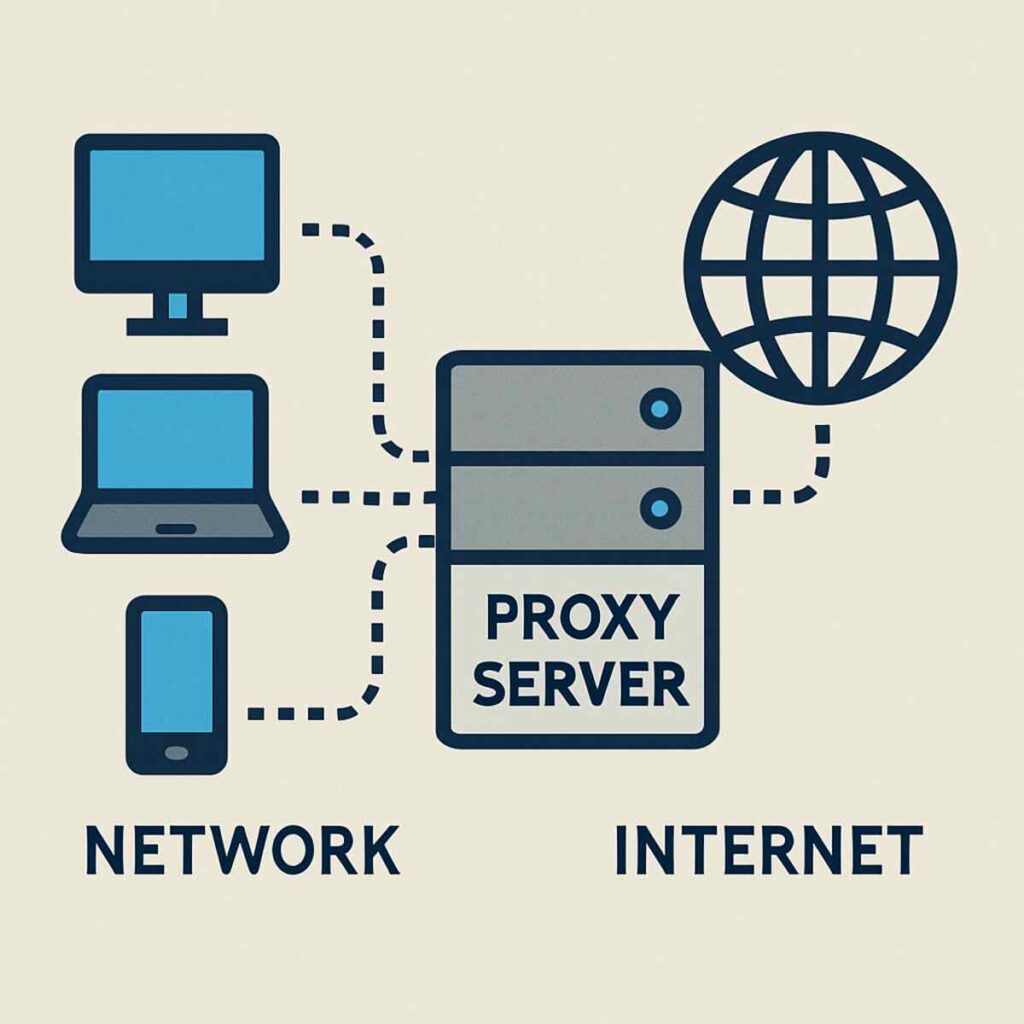
Before we get into the nitty-gritty of proxies for scraping, let’s first understand what a proxy server is. Simply put, a proxy server acts as an intermediary between your computer and the internet. When you send a request to a website through a proxy, the website sees the request as coming from the proxy server rather than your actual IP address.
Proxies serve as a bridge between the user and the web, ensuring anonymity and security. When you connect to a proxy, it forwards your requests to the internet, masking your original IP address. This not only protects your identity but also can bypass restrictions imposed by websites. The proxy receives the response from the web and sends it back to you, keeping the interaction seamless and secure.
Proxy servers come in various forms, each with specific functionalities and uses. The most common types include HTTP proxies, HTTPS proxies, SOCKS proxies, and transparent proxies. HTTP proxies are typically used for web traffic, while HTTPS proxies provide an added layer of encryption. SOCKS proxies are more versatile, handling a variety of data types, and transparent proxies are used without the user’s awareness, often for caching purposes.
The primary benefit of using proxies is the enhanced privacy they offer. By hiding your IP address, proxies make it difficult for websites to track your online activities. They also enable access to geo-restricted content by making it appear as though you are accessing the web from a different location. Moreover, proxies can improve performance by caching frequently requested resources, reducing load times and bandwidth usage.
Websites often have measures in place to detect and block web scraping activities. These measures include monitoring the number of requests from a single IP address, examining the speed and frequency of requests, and employing CAPTCHA challenges. By using a proxy server, you can distribute your requests across multiple IP addresses, making it much harder for websites to detect and block your scraping activities.
Avoiding Detection and Bans
The primary reason for using proxies in web scraping is to avoid detection by websites. Websites can track the number of requests coming from a single IP address, and if this number is too high, the IP can be blocked. Proxies help distribute requests across multiple IPs, significantly reducing the risk of detection and banning.
Bypassing Geo-Restrictions
Some websites display different content based on the user’s location, which can hinder data collection efforts. By routing requests through proxies in various locations, you can access localized content and gather comprehensive data without being restricted by geographical barriers. This is particularly beneficial for businesses conducting market research in different regions.
Enhancing Anonymity and Security
Proxies add a layer of anonymity by masking your actual IP address. This is crucial for maintaining privacy and security during web scraping activities. With your identity concealed, you reduce the risk of being targeted by malicious entities or having sensitive data exposed. Additionally, proxies can help bypass firewalls and other security measures that restrict access to certain web content.
Types of Proxies for Web Scraping
There are several types of proxies available, each with its own advantages and disadvantages. Let’s take a closer look at the most common types used for web scraping.
Residential Proxies
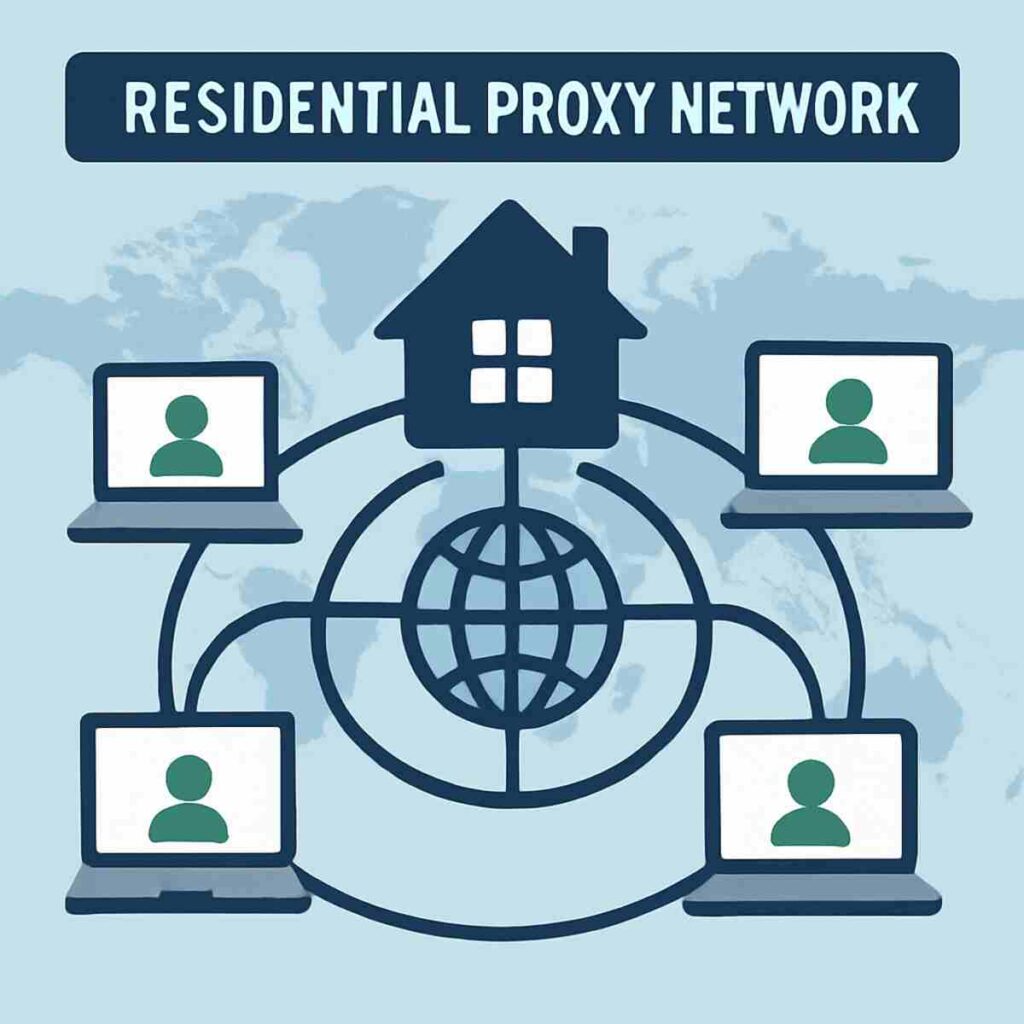
Residential proxies are IP addresses assigned by internet service providers (ISPs) to homeowners. These proxies are highly reliable for web scraping because they are perceived as regular users by websites. This makes them less likely to get blocked.
Advantages of Residential Proxies
Residential proxies offer a high level of legitimacy because they are sourced from real devices. Websites perceive them as genuine users, significantly reducing the chances of being flagged for suspicious activity. This makes residential proxies particularly effective for tasks that require a high degree of trust, such as accessing sensitive information or conducting competitive analysis.
Bypassing Geo-Restrictions with Residential Proxies
These proxies are ideal for accessing region-specific content. By choosing proxies located in a specific country, you can view the web as if you were a local user. This is invaluable for businesses that need to understand local market conditions or monitor region-specific advertising campaigns.
Considerations for Using Residential Proxies
While residential proxies provide numerous benefits, they come at a higher cost than other types of proxies. Additionally, their availability can be limited compared to data center proxies, making it important to choose a provider that offers a diverse range of IP addresses to meet your needs.
Data Center Proxies
Data center proxies are not affiliated with ISPs. Instead, they come from secondary corporations and cloud hosting services. These proxies are widely used due to their affordability and availability.
Cost-Effectiveness of Data Center Proxies
Data center proxies are popular for their cost-effectiveness. They are significantly cheaper than residential proxies, making them an attractive option for projects with budget constraints. This affordability allows for the deployment of numerous proxies, facilitating large-scale data collection without breaking the bank.
Speed and Performance Benefits
These proxies offer fast connection speeds, ideal for time-sensitive scraping tasks. The infrastructure supporting data center proxies is designed for high-speed data transfer, ensuring that requests are processed quickly and efficiently. This makes them suitable for applications requiring rapid data retrieval and analysis.
Challenges with Data Center Proxies
While they are affordable and fast, data center proxies are more easily detected by websites. This is because they often share similar characteristics, making them stand out as potential sources of automated activity. Consequently, they may not be the best choice for accessing geo-restricted content or websites with strict security measures.
Rotating Proxies
Rotating proxies automatically change the IP address used for each request. This is particularly useful for web scraping, as it helps distribute requests across many IP addresses, minimizing the risk of detection.
Reducing the Risk of IP Bans
By rotating IP addresses, these proxies significantly lower the chances of being banned. Each request appears to come from a different user, mimicking natural browsing behavior. This feature is crucial for long-term scraping projects that require uninterrupted access to data.
Access to a Large Pool of IP Addresses
Rotating proxies provide access to an extensive pool of IP addresses, ensuring that your requests are diverse and less likely to be flagged. This diversity is beneficial for collecting data from multiple sources simultaneously, increasing the efficiency and breadth of your scraping efforts.
Managing Rotating Proxies
While rotating proxies offer numerous advantages, they may require additional setup and management. Integrating them into your scraping system can be complex, necessitating technical expertise to ensure seamless operation. Additionally, the cost of rotating proxies can vary depending on the provider and the size of the IP pool.
Choosing the Right Proxy for Your Needs
Selecting the right proxy for your web scraping activities depends on several factors, including your budget, the scale of your scraping project, and the specific requirements of the websites you’re targeting.
Consider Your Budget
If you have a limited budget, data center proxies might be the best choice due to their cost-effectiveness. However, if you require higher anonymity and need to access geo-restricted content, investing in residential proxies might be worthwhile.
Balancing Cost and Functionality
When choosing proxies, it’s essential to balance cost with functionality. While cheaper options like data center proxies may be appealing, they might not meet all your needs, particularly if the websites you target have robust security measures. It’s important to assess whether the cost savings outweigh the potential risks and limitations.
Subscription Plans and Pricing Models
Proxy providers offer various subscription plans and pricing models, from pay-as-you-go to monthly subscriptions. Evaluating these options can help you find a plan that fits your budget and usage requirements. Some providers also offer trials or discounts for new users, allowing you to test the service before committing.
Long-term Cost Considerations
Consider the long-term costs associated with proxy usage. While initial expenses may seem manageable, ongoing projects can accumulate significant costs over time. It’s crucial to factor in potential price increases, additional features, and any hidden fees when planning your budget.
Evaluate the Scale of Your Project
For small-scale projects, a few data center proxies might suffice. But for large-scale scraping activities, especially those involving multiple websites, rotating residential proxies can provide the reliability and coverage you need.
Identifying Your Project’s Scope
Understanding the scope and scale of your scraping project is vital in choosing the right proxies. Small projects with limited data requirements can often be handled with fewer proxies, while larger projects may need a more extensive network to ensure efficiency and success.
Impact of Project Scale on Proxy Choice
The scale of your project directly impacts the type of proxies you should use. Large-scale operations benefit from rotating proxies that offer a broad IP pool, while smaller projects can be more cost-effective using data center proxies. Assess your needs to determine the best fit for your project.
Scalability and Flexibility
Your proxy solution should offer scalability and flexibility to accommodate changes in project size or scope. Choose a provider that allows you to easily increase or decrease your proxy usage based on current needs, ensuring that you only pay for what you use.
Understand Website Requirements
Some websites have stricter anti-scraping measures than others. It’s important to test different types of proxies to see which ones work best for the specific websites you’re targeting.
Analyzing Anti-Scraping Measures
Websites employ various anti-scraping measures, such as CAPTCHA challenges, rate limiting, and IP blacklisting. Understanding these defenses can help you choose proxies that effectively bypass them, ensuring uninterrupted data collection.
Testing and Optimization
Testing different proxy types on your target websites is crucial for optimizing your scraping strategy. Conduct trial runs with various proxies to determine which offers the best performance and reliability, adjusting your approach as needed for optimal results.
Adapting to Changing Website Policies
Website policies and anti-scraping measures can change over time, requiring you to adapt your proxy usage accordingly. Stay informed about updates to terms of service and robots.txt files, ensuring that your scraping activities remain compliant and effective.
Best Practices for Using Proxies in Web Scraping
To make the most of your proxies and ensure successful web scraping, follow these best practices:
Rotate IP Addresses
Use rotating proxies or set up your system to switch IP addresses frequently. This practice mimics organic user behavior, reducing the likelihood of detection and blocking. By regularly changing IP addresses, you can maintain access to your target websites without interruption.
Respect Website Policies
Always check the website’s terms of service and robots.txt file to ensure compliance with their scraping policies. Respecting these guidelines not only helps you avoid legal issues but also fosters a positive relationship with the website operators, increasing the chances of successful data collection.
Limit Request Frequency
Avoid sending too many requests in a short period to prevent detection and blocking. Implementing rate limits in your scraping scripts can help mimic natural browsing behavior, reducing the risk of triggering anti-scraping measures and ensuring a smoother scraping process.
Monitor Proxy Performance
Regularly check the speed and reliability of your proxies to ensure efficient scraping. Use monitoring tools to track proxy performance, identifying any issues that may impact your data collection efforts. By addressing problems promptly, you can maintain a high level of efficiency and accuracy in your scraping activities.
Conclusion
Proxies play a crucial role in effective web scraping by providing anonymity, bypassing geo-restrictions, and preventing IP bans. By understanding the different types of proxies and selecting the right one for your needs, you can enhance your web scraping efforts and gather the data you need efficiently and securely. Remember to follow best practices and stay informed about website policies to ensure a smooth and successful scraping experience. With the right proxies in your toolkit, you’ll be well-equipped to tackle any web scraping challenge that comes your way.